
TOP TIPS FOR FURNACE REPLACEMENT
1. Choose local HVAC experts with a good reputation in your community.
Instead of choosing a contractor based on flashy ads or big discounts, prioritize a local, medium-sized company with a proven reputation in your community. Local companies often provide more personalized service and are vested in maintaining their reputation within the community. This means they are more likely to offer honest advice and reliable service.
2. Understand Efficiency Ratings.
AFUE Rating: Look for furnaces with high AFUE (Annual Fuel Utilization Efficiency) ratings. The AFUE rating measures how efficiently a furnace converts fuel into heat. Higher ratings (90% and above) indicate better efficiency and lower operating costs.
Energy Star Certification: Consider Energy Star-certified furnaces. These units meet strict efficiency guidelines set by the U.S. Environmental Protection Agency and can offer significant energy savings.
3. Get a proper assessment of your heating needs.
Your home has unique characteristics—such as size, insulation, window placement, and existing ductwork—that should guide the selection of your furnace system. A home comfort specialist will conduct a detailed inspection to pinpoint any specific issues affecting comfort, ensuring your new system is both efficient and effective.
We will carry out a Manual J load calculation to accurately determine your home’s heating requirements. This assessment takes into account factors like square footage, insulation quality, and local climate conditions, ensuring your new system is properly sized for optimal efficiency and comfort.
Frequent Furnace Repairs Signal It’s Time to Replace
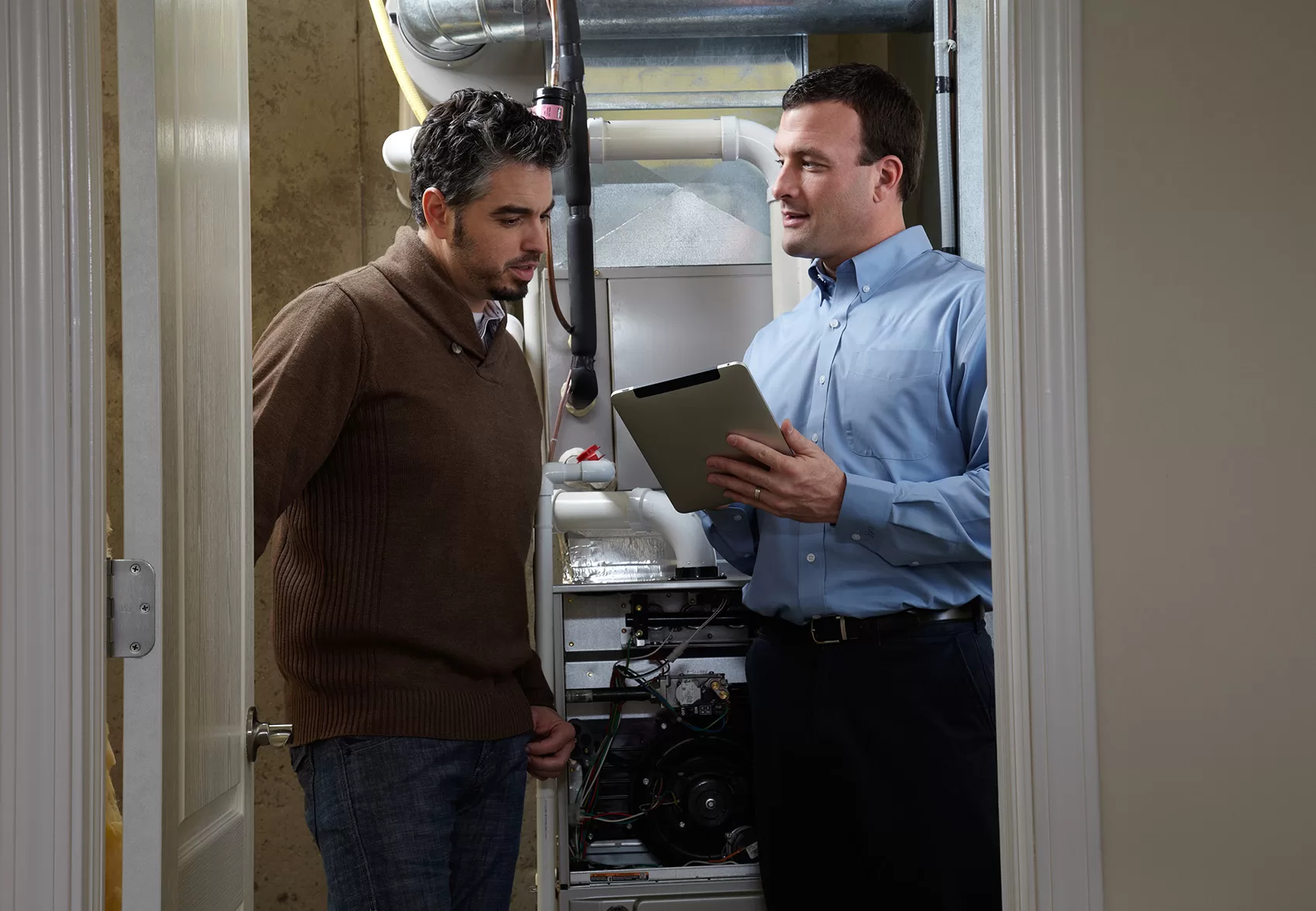
Many furnaces can limp along for years with the occasional small fix. But when you start needing two or more service calls in a single season for major component failures, that pattern often means your furnace no longer delivers reliable value. At that point, you don’t just pay for the repair, but you also pay for the stress, the downtime, and the risk of the next breakdown showing up on the coldest night of the year.
Frequent repairs create a “repeat-bill” problem. One repair rarely ends the story when a furnace reaches its later years. A new part can keep the system running, but it can’t reverse overall wear across motors, ignitions, sensors, and controls. When one major component fails, other aging parts often follow. You wind up spending money in chunks and still wondering if the furnace will make it through the next cold snap.
Comfort problems usually tag along. A furnace that needs constant attention often struggles to deliver steady heat. You might notice longer run times, uneven room temperatures, or airflow that feels weaker than it used to. These comfort issues often push the system to work harder, which can raise monthly costs even when the furnace technically “runs.”
Repeated breakdowns also steal your time. You wait for appointments, rearrange schedules, and live in “just-in-case” mode. A full replacement removes that uncertainty and gives you a fresh start with modern efficiency, more consistent heating, and quieter operation.
Most importantly, a furnace replacement can cost less over the long run. When you add up repair invoices and higher operating costs from an aging unit, replacement often becomes the more cost-efficient path. You also gain the chance to right-size the system for your home through a proper load calculation, which improves comfort and helps you avoid overpaying for capacity you don’t need.
THE Furnace INSTALLATION PROCESS
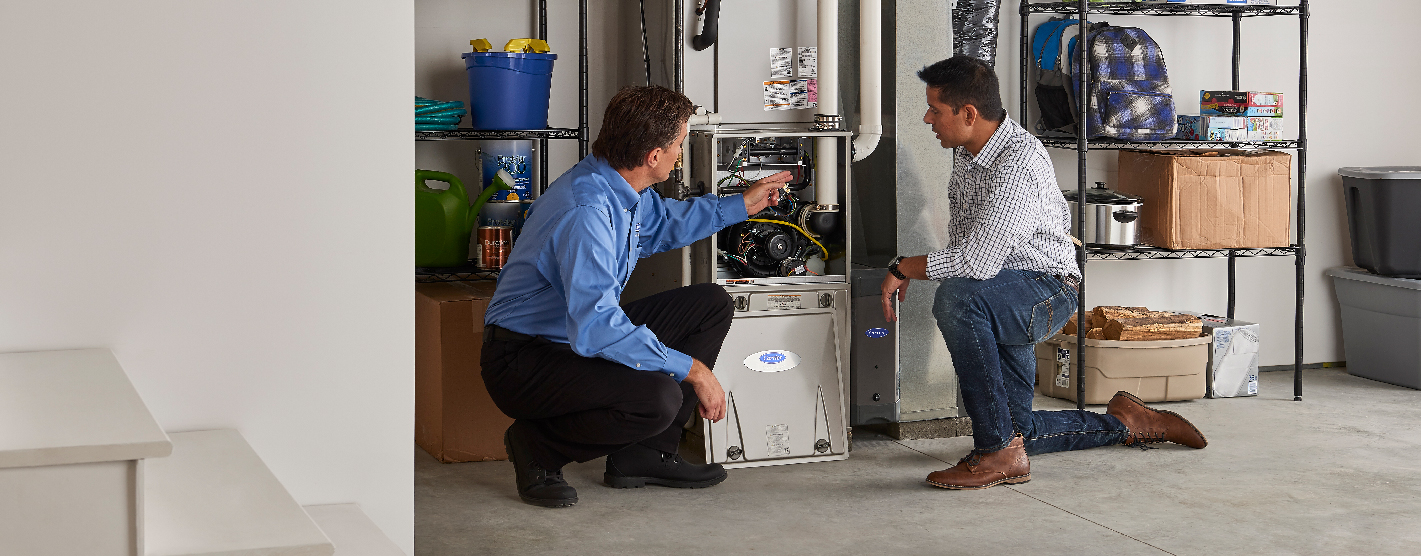
Installing a new furnace involves several critical steps to ensure proper operation, efficiency, and longevity.
1. Removing the Old Unit
The installation site is prepared to accommodate the new furnace. This includes inspecting and potentially upgrading the existing ductwork to ensure compatibility and efficiency with the new system. If necessary, and if you are also replacing your air conditioner at the same time, a new concrete pad may be installed to provide a stable, level base for the outdoor unit.
3. Installing the New Unit