
A plumbing emergency can feel like chaos in real time. Water starts spreading, your brain jumps to worst-case damage, and you just want someone to tell you what to do first. The good news is that a few calm steps can limit damage and keep your home safe while you wait for professional help. This guide walks you through how to control the water fast, how to protect your home and your safety, and how to stabilize the most common emergencies until professional plumbing services arrive.
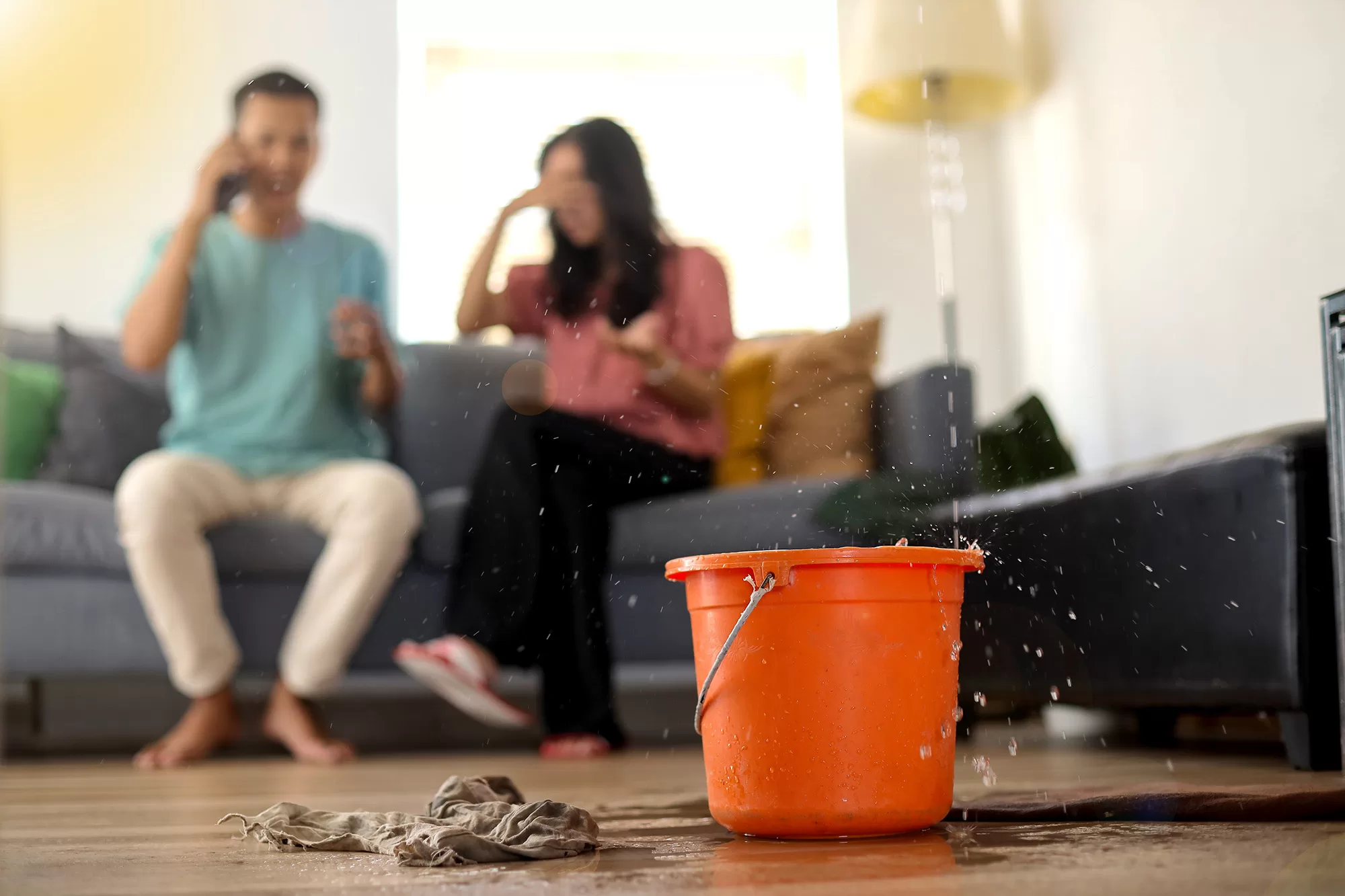
Quick Plumbing Emergency Action Summary: Do This First
Focus on control and containment when water won’t stop, not perfection, and move in this order:
- Shut off the nearest fixture valve. Turn the small valve under a sink, behind a toilet, or near an appliance clockwise.
- If water keeps flowing, shut off the main water valve. This stops the entire home’s water supply.
- Cut power if water approaches outlets or appliances. Go to the breaker panel and turn off power to the affected area.
- Move people, pets, and valuables away from water. Get items off the floor and clear walking paths.
- Leave the area if you smell gas. Call your gas utility, then call a plumber.
- Call (317) 867-2665 for emergency plumbing service and describe what you see. Tell the dispatcher where the water is and what you’ve done so far. These steps can limit damage even before you know the exact cause.
How to Turn Off Water Fast
Where Are Fixture Shutoff Valves?
Look under sinks, behind toilets, and near appliances like washing machines. Turn the valve clockwise until it stops. If it won’t turn, don’t force it hard enough to snap.
Where is the Main Water Shutoff?
Most Central Indiana homes have a main shutoff:
- Near where the water line enters the home
- Near the home’s water heater
- In the basement near the wall facing the street
- In a crawl space near the front foundation wall
Turn it clockwise until it stops. If the valve fights you, stop before you break it. Tell the plumber what happens when you try.
How to Stabilize Common Plumbing Emergencies
Burst Pipe or Major Leak
Shut off the main water valve first. Open the lowest faucet in the home to drain remaining water from the lines. If water nears cords, outlets, or appliances, shut off power to the area at the breaker.
Then protect the space:
- Move rugs, boxes, and anything absorbent out of the water path.
- Lift electronics and keepsakes off the floor.
- Use towels and buckets to keep water away from baseboards and finished flooring.
- If you can do it safely, take quick photos for insurance before beginning cleanup.
Do not cut into drywall to “find the leak.” Focus on stopping water and power, then let a pro determine the safest access point.
Frozen Pipes
If a faucet stops flowing during a cold snap, treat it like a frozen pipe. Keep the faucet open slightly and warm the exposed pipe gently with a hair dryer or space heater.
Never use a torch or open flame. Do not force a thaw inside a wall. If you hear rushing water or see new damp spots, shut off the water immediately.
Overflowing Toilet
Close the shutoff valve behind the toilet near the floor. Lift the tank lid and press the flapper down to stop the refill if you need an instant pause.
Then pay attention to the bigger pattern. If other drains gurgle or the toilet bubbles when you run a sink, treat it like a sewer backup emergency. Don’t flush again, don’t run water to “see if it clears,” and stop all water use immediately.
Leak Under a Sink or Behind an Appliance
Close the shutoff valve under the sink or behind the appliance. Slide a pan under the leak and lay towels to protect the cabinet base.
Avoid overtightening fittings as a quick fix. You can crack plastic parts or strip threads and make the leak worse. If the fixture valve does not stop the flow, shut off the main water valve.
Water Heater Leak or Loud Noises
If you see water around the water heater, shut off the cold water inlet valve above the unit. With an electric unit, shut off the water heater breaker. If you have a gas unit, turn the control to Off. If you smell gas, leave the area and call your gas utility. Do not try to DIY drain an older water tank.
Sewer Backup or Strong Sewer Odors
Stop all water use in the home. Avoid showers, laundry, dishwashers, toilets, and sinks. Close doors to affected rooms and ventilate if possible.
Skip chemical drain cleaners. They can burn skin, damage pipes, and create harsh fumes that make repairs harder and more dangerous.
Flooded Basement or Sump Pump Failure
Assume electrical danger first. Shut off power to the basement area at the breaker before you step onto wet floors.
Check the sump pump plug and breaker after you cut power, and look outside for a frozen or blocked discharge line.
Need Help Now? Call Precision Comfort Systems
A plumbing emergency demands a fast response and clear guidance. If you cannot stop the water, if you suspect sewage, or if water threatens electrical areas, call right away.
Precision Comfort Systems provides emergency plumbing service across Westfield, Carmel, Zionsville, Fishers, and Noblesville. Call (317) 867-2665 or contact us online to schedule service.