
If you’re researching a replacement and comparing tankless vs. tank water heater options, you probably want two things: reliable hot water and a decision you won’t regret later. Most homeowners know both styles can work well, and the “best” choice depends on your household and your plumbing setup. Consider the real-world differences below so you know how to choose based on demand, utilities, space, and maintenance before you call for plumbing services or start collecting quotes.

Quick Refresher: What You’re Actually Choosing
A tank water heater stores a set amount of hot water, often 40 to 80 gallons. A tankless unit heats water on demand as it flows through the unit. That one difference shapes comfort, upfront cost, space, and maintenance.
Tank Water Heaters: Steady, Familiar, and Lower Upfront Cost
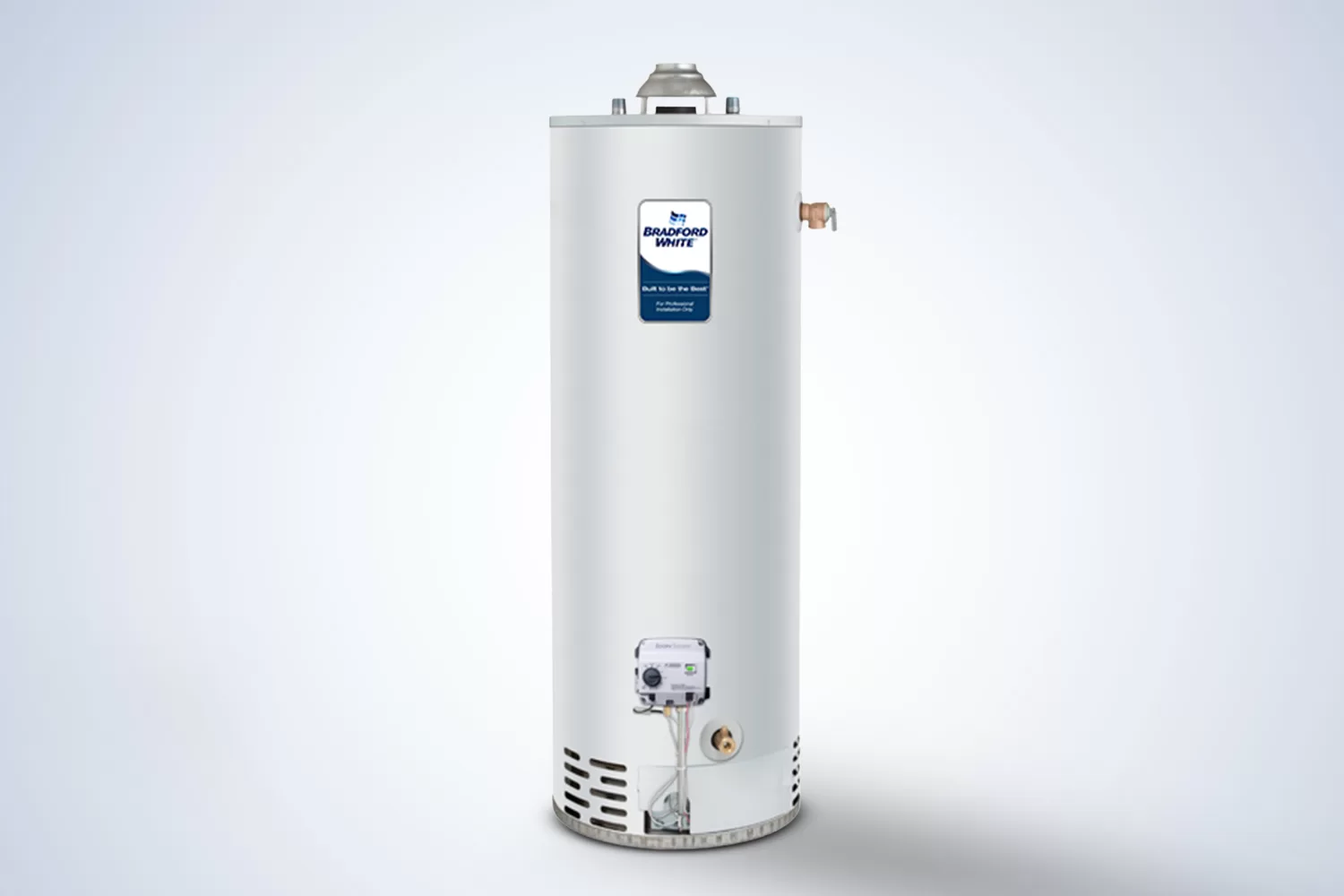
A traditional tank water heater keeps a reservoir of hot water ready, then reheats the tank as you use it. Most Greater Indianapolis homes already use this setup, so replacement stays straightforward.
Tank Water Heater Pros
- Lower Upfront Cost: Many tank models cost less than tankless units.
- Simple Performance: You get strong hot water for a while, based on tank size.
- Predictable Repairs: Most plumbers see the same few issues over and over, so troubleshooting stays simple.
Tank Water Heater Tradeoffs
- You Can Run Out: Once your household drains the tank, you wait for recovery. Many homes feel this after back-to-back showers.
- Standby Heat Loss: The tank loses heat over time, even when no one uses hot water.
- Hard Water Adds Wear: Central Indiana’s hard water can shorten lifespan and raise maintenance needs.
If you only run out of hot water during heavy use, such as when guests are visiting, consider a larger tank. If you run out more often, consider a tankless solution.
Tankless Water Heaters: Endless Hot Water With Limits to Understand
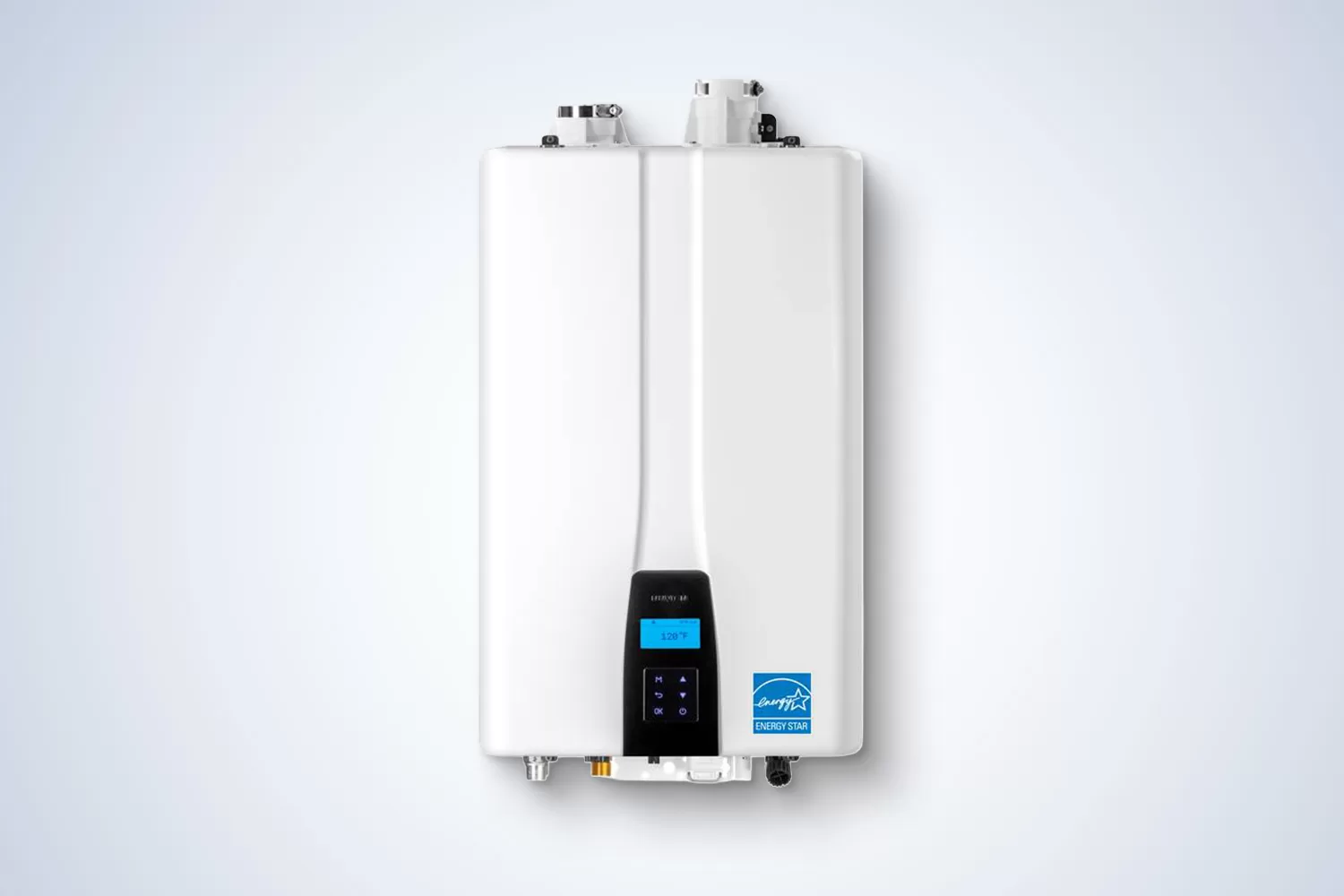
Tankless water heaters heat water as you use it, so you don’t wait for a tank to refill. Many homeowners love the idea of “endless hot water,” and in the right home, a tankless solution delivers exactly that.
Tankless performance depends on sizing and simultaneous use. One shower often runs fine, but multiple hot water events at once can stretch capacity.
Tankless Water Heater Pros
- Hot Water on Demand: You won’t “drain the tank” because you don’t store hot water in the first place.
- Space Savings: Many models mount on the wall and free up floor space.
- Lower Energy Waste in Many Homes: According to the U.S. Department of Energy, tankless water heater homes using 41 gallons or less per day can run 24% to 34% more energy efficiently than those with conventional tank heaters.
Tankless Water Heater Tradeoffs
- Higher Upfront Cost: A tankless unit often requires gas line sizing, venting changes, or electrical upgrades.
- You Still Face Capacity Limits: You get continuous hot water, but the unit caps gallons per minute.
- Hard Water Demands Descaling: In hard-water areas like Central Indiana, tankless systems need regular descaling to stay reliable.
Why Tankless Costs More (and When It Pays Off)
Tankless water heaters typically cost more because homes often need utility and venting changes:
- Venting adjustments to meet the new unit’s requirements.
- Gas line sizing for higher demand.
- Electrical upgrades for electric models.
- Location changes for clearance, drainage, or code requirements.
In many homes, traditional tank units can often cost around $1,000 to $3,000 total for equipment plus professional replacement and installation work.
Tankless projects can reach around $2,500 to $7,000 or more, depending on necessary utility upgrades and venting needs. Your home’s layout and existing connections drive the swing.
Does tankless make sense for you? It may, if:
- You value long showers, frequent guests, or back-to-back-to-back hot water demand.
- You want floor space back in a utility area.
- You plan to stay in your home long enough to benefit from efficiency and longevity.
A Simple Decision Framework for Tankless vs. Tank Water Heater
Use these questions to make the choice feel obvious:
How many hot water “events” happen at the same time?
If your home stacks showers, laundry, and dishwashing, you need enough flow for those overlaps. Overlaps drive sizing and performance for either option.
Do you run out of hot water, or do you just dislike waiting?
If you run out, tankless can help. If you only dislike the “recovery wait,” a tank with better recovery or a different size might solve it.
How hard is your water?
Hard water affects both styles, but tankless demands consistent descaling. A water softener or filtration strategy often makes the biggest difference in performance and maintenance.
Do you want simpler and familiar, or do you want a different experience?
A traditional tank unit feels familiar. Tankless changes how hot water behaves in the home, especially when multiple fixtures run.
Traditional tank water heaters often offer a lower upfront cost, simple replacement, and predictable use.
Tankless water heaters typically work best for long shower stacks, limited space, and longer-term plans.
Ready For A Clear Recommendation? We’ll Help You Choose With No Pressure
A smart tankless vs. tank water heater decision begins with taking stock of your household’s demand, your utility setup, and your water quality—not a sales pitch.
If you want to go deeper, check out our Complete Water Heater Guide. Call (317) 867-2665 or contact Precision Comfort Systems online for a water heater assessment. We serve homeowners across Westfield, Carmel, Zionsville, Fishers, Noblesville, and the surrounding Northside Indianapolis communities with calm guidance, transparent pricing, and water heater solutions that fit your home.