
Having a water heater replaced is one of those home projects that homeowners tend to dread more than they need to. When you know what’s actually happening and roughly how long each step takes, most of the stress goes away. Here’s a realistic, step-by-step look at how this professional plumbing services appointment goes from start to finish.
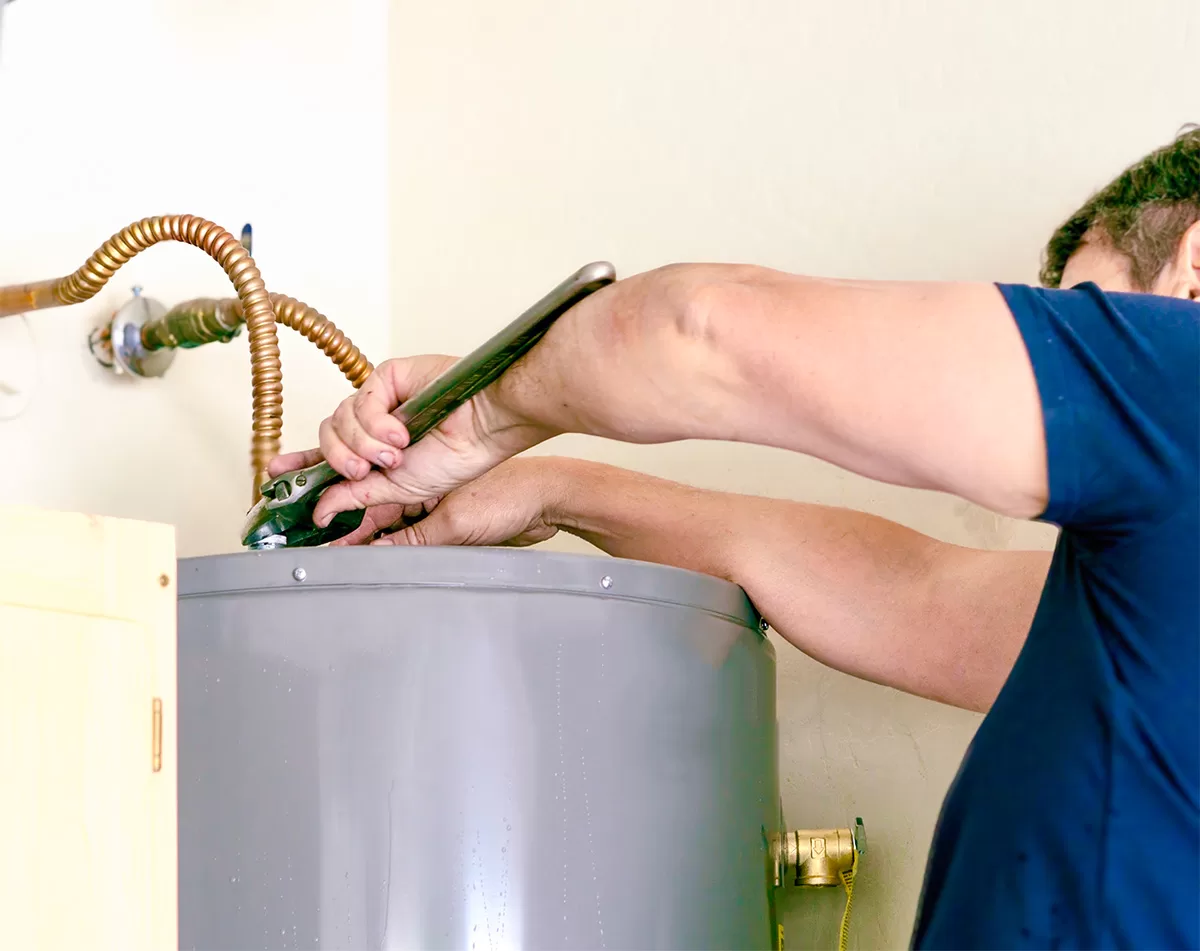
Before the Installer Arrives
The prep work you do the morning of or the night before makes a real difference. Clear a two to three-foot working zone around your current water heater. Move boxes, seasonal storage, or anything stacked near the unit. If the space is a tight closet or utility room, make sure the path in is clear, and the door stays open.
Plan to be without hot water for roughly two to four hours for a standard tank replacement. A tankless conversion or a job with older, corroded connections may take longer. Running your dishwasher or a load of laundry before the appointment means you’re covered.
When the Installer Arrives
The installer shows up with the new unit and gets set up quickly. They will likely do a fast visual confirmation of the space, lay down floor protection along the work path, and make sure access is clear before they start.
The Removal
Once the walkthrough is done, the installer shuts off the cold water supply and, on gas units, closes the gas valve. The existing tank is drained, which may take longer than you’d think, often 20 to 30 minutes, depending on the tank size and sediment level. In Central Indiana, hard water tends to leave a meaningful layer of mineral buildup at the bottom of the tank, which adds to drain time. After draining, the connections are disconnected, and the old unit is removed.
The New Installation
The new unit is moved into position and leveled. From here, the steps vary slightly by fuel type.
For electric water heaters, the installer connects the cold and hot water supply lines, secures the pressure relief valve and drain line, and wires the unit to the circuit.
For gas water heaters, the installer connects the water lines first, then makes the gas line connection and tests for leaks, then reconnects or installs new venting. Gas venting gets inspected carefully. Proper venting is a safety item, not a finishing detail.
New supply lines and fittings are standard during a replacement, even if the old ones looked fine. Older braided or copper lines are a common source of future leaks, and swapping them during installation is far cheaper than calling for a second service visit later.
Startup and Testing
Once connections are secure, the cold water supply is turned back on, and the tank fills. This takes several minutes. The installer watches for leaks at every fitting during fill.
On electric units, the breaker is switched on once the tank is full. On gas units, the pilot is lit, and the burner is tested. The installer will confirm the thermostat setting. Most manufacturers set the default to 120 degrees, which is the standard safe and energy-efficient range for residential use.
Before leaving, the installer should walk you through where the shutoffs are and how to use them, what the pressure relief valve is and how it works, the manufacturer’s warranty and what it covers, and any service intervals or maintenance worth scheduling.
What to Expect in the First 24 to 48 Hours
The water coming out of your taps in the first few minutes after startup may look slightly discolored or have a faint odor. This is normal. It’s residual air and minor sediment working through the lines. Run each hot tap for a minute or two to clear it.
The new unit will take time to reach full temperature. A standard 40 or 50-gallon tank typically reaches a set temperature within an hour. For the first day, you may notice the unit cycling on more frequently than usual as it stabilizes.
If you notice anything that doesn’t feel right, a persistent odor, a visible drip, or a unit that won’t hold temperature, call your plumber. A good plumber will want to know.
Ready for a Water Heater Installation You Can Trust?
Precision Comfort Systems provides professional water heater installation and replacement across Westfield, Carmel, Zionsville, Fishers, Noblesville, and surrounding Northside Indianapolis communities. You’ll get clear recommendations and transparent pricing from licensed technicians who protect your home and your time with full-system testing and verification.
When you want the job done right, call (317) 867-2665 or contact Precision Comfort Systems online to schedule a comprehensive water heater assessment.